Equal opportunities
18 Aug 2025
Mareike
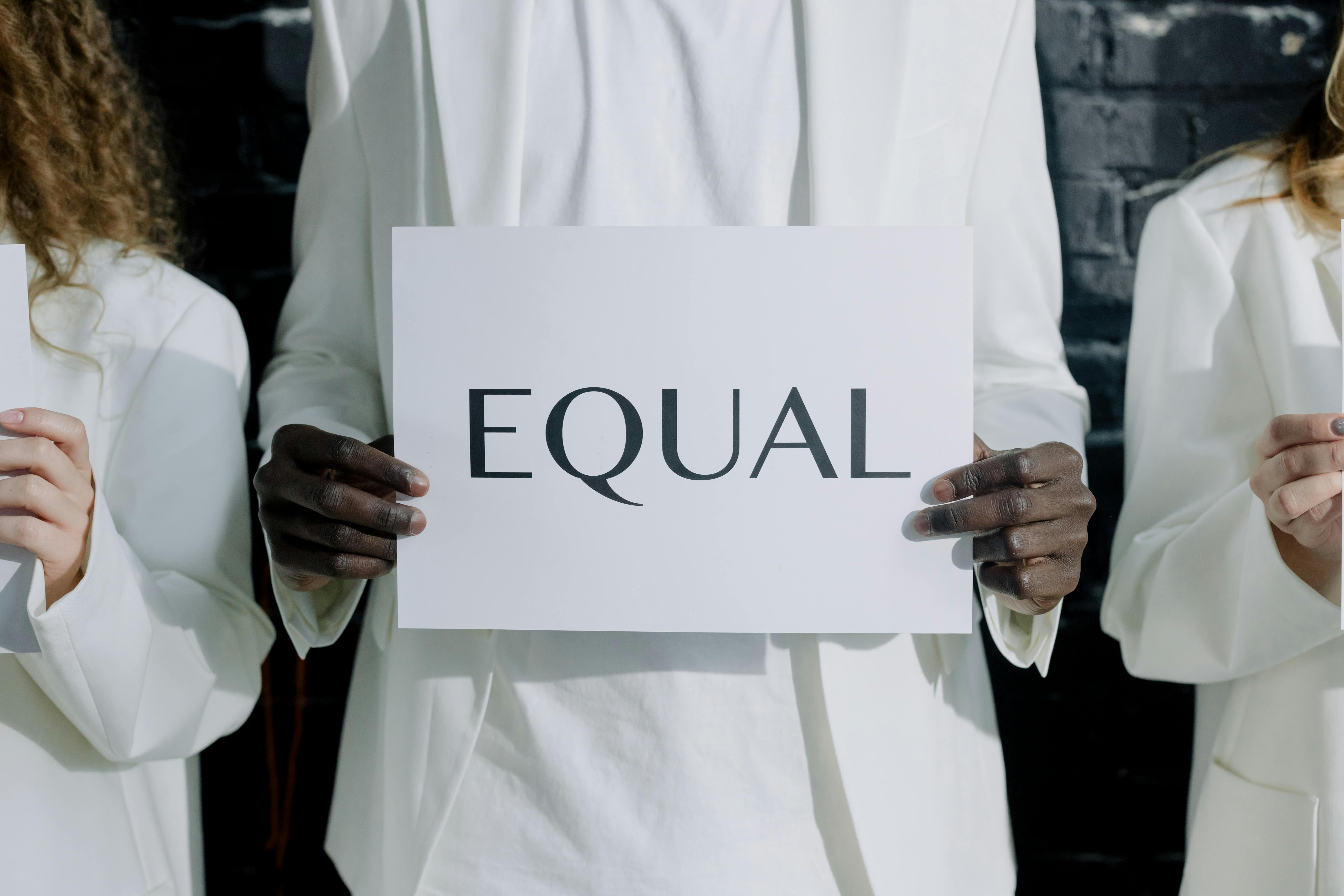
Equality of Opportunity in the Workplace: Importance and Implementation
Equality of opportunity in the workplace means that all employees, regardless of gender, origin, age, or other personal characteristics, have the same opportunities to shape their careers. Companies that focus on equality of opportunity not only create a fairer work environment but also benefit economically from motivated employees and innovative ideas. A fair corporate culture strengthens the work atmosphere and leads to higher satisfaction and retention of employees.
What is included in equality of opportunity?
Equality of opportunity encompasses various aspects that help create a fair and inclusive workplace:
Equal Treatment: All employees receive the same opportunities for training, promotion, and remuneration.
Accessibility: Workplaces should be designed to be accessible for everyone, including people with disabilities.
Diversity and Inclusion: Different backgrounds and perspectives are actively promoted to create an innovative work environment.
Transparent Processes: Clear and objective criteria for application procedures, salary structures, and career opportunities prevent discrimination.
Elimination of Unconscious Biases: Companies should regularly question and adapt their processes to avoid hidden discrimination.
Why is equality of opportunity in the profession so important?
Equality of opportunity in the profession is essential for creating a fair and motivating work environment. When all employees, regardless of gender, origin, or other personal characteristics have equal development opportunities, satisfaction and readiness to perform rise within the company. Moreover, equality of opportunity helps to utilise the full potential of the workforce by promoting talents based on abilities rather than biases.
A diverse team brings various perspectives, which can significantly enhance a company's innovative power and problem-solving abilities. Companies with a diverse and inclusive corporate culture benefit from better innovation capabilities, higher employee retention, and stronger competitiveness.
An inclusive job market also strengthens the sense of social cohesion and reduces discrimination and prejudice. People who can freely develop their professional skills are not only more satisfied and motivated but also more actively involved in society. This leads to greater social justice in the long run, as it prevents certain groups from being systematically disadvantaged.
Equality of opportunity in the profession is therefore a crucial step towards an open, diverse, and supportive society. It not only fosters individual careers but also contributes to collective well-being by dismantling social barriers and providing everyone with the opportunity to contribute to society.
What is equality in the profession?
Equality in the profession goes beyond equal opportunities and means that no one is disadvantaged because of gender, origin, or other personal characteristics. This includes, among other things:
Equal Pay for Equal Work: Pay disparities between men and women or between different ethnic groups must be eliminated.
Work-Life Balance: Flexible working hours and support offerings such as parental leave models enable all employees to balance career and private life.
Protection Against Discrimination and Harassment: Companies must establish clear policies and contact points for affected individuals to ensure a respectful working environment.
Fair Promotion Opportunities: Employees should be promoted based on their qualifications and performance, not personal relationships or unconscious biases.
Challenges in Implementing Equality of Opportunity
Although many companies pursue the goal of equality of opportunity, there are often challenges in practical implementation:
Unconscious Biases: Stereotypes often unconsciously influence decisions, such as in job interviews or salary negotiations.
Lack of Representation: In many industries, there are still few women or people with a migration background in leadership positions.
Lack of Structures: Many companies do not yet have clear policies or measures to actively promote equality of opportunity.
Resistance to Change: In traditional companies, there may be resistance to diversity and inclusion measures.
Tips for Implementing Equality of Opportunity in the Workplace
Companies can take various measures to actively promote equality of opportunity:
Awareness Raising: Training and workshops help to reduce biases and create an open corporate culture.
Anonymised Application Processes: By evaluating qualifications without considering personal data, unconscious biases can be minimised.
Mentoring Programs: Targeted support from experienced colleagues helps to improve career opportunities for disadvantaged groups.
Flexible Work Models: Remote work, flex time, and part-time offerings facilitate the balance between work and private life.
Regular Review of Salary and Promotion Criteria: Companies should ensure that all employees are evaluated fairly and objectively.
Diverse Leadership Teams: Diversity at the leadership level promotes equality of opportunity and makes the company more attractive to various talents.
Clear Anti-Discrimination Policies: A transparent complaint system and measures against discrimination are essential.
Conclusion
Equality of opportunity in the workplace is a central building block for a fairer society. It enables all people to realise their full potential regardless of gender, origin, or social status. Fair access to education, career opportunities, and professional development helps to reduce social inequalities and promote social participation.
Companies that actively advocate for equality of opportunity make an important contribution to a more inclusive and open society. They demonstrate that diversity is a strength and that everyone has the right to be evaluated based on their abilities and performance. This not only fosters social cohesion but also strengthens trust in a fair and discrimination-free work environment.
Ultimately, equality of opportunity is not just about individual careers but about a collective societal responsibility. By breaking down barriers and creating equal opportunities for all, we are shaping a future where justice, respect, and fairness form the basis of our coexistence.